Guest post by Zoe Maika, a UBC Dietetics student
As dietitians, we encourage everyone to eat vegetables and fruit year-round. Fresh fruit and vegetables have long been many consumers’ first choice. But with the price of fresh vegetables up 15.9 per cent since December 2021, you may want to head to the frozen food aisle more often.
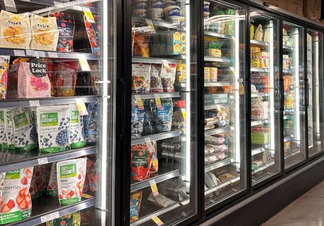
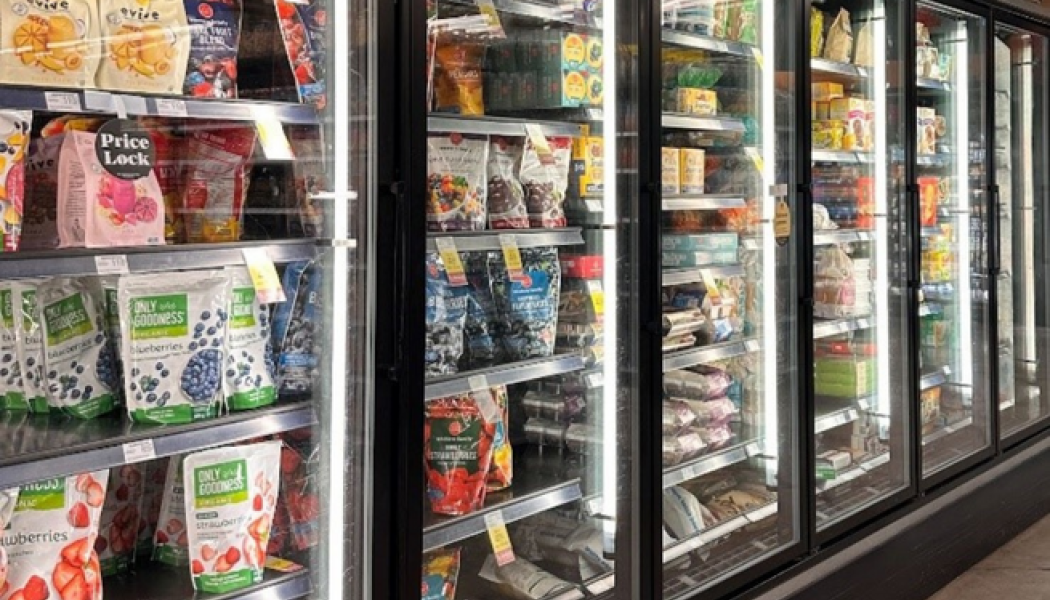
If you’re craving a crunchy apple or some fresh veggies with dip, fresh produce is the way to go. But if you want to make a nutritious meal and don’t feel like splurging in the produce section or spending time chopping, a trip to the frozen aisle is in order.
Here’s why:
1. More bang for your buck
When compared by weight, the price of frozen produce is significantly less than the same amount of fresh produce. For some frozen produce – spinach, for example – you can get 50 per cent more produce for your dollar.
2. Less food waste
Fresh fruits and vegetables have a limited shelf life and risk going bad before they can be eaten, leading to wasted food and money. Frozen produce can be stored for months, allowing for a steady supply of produce that maintains quality and taste.
3. Just as nutritious
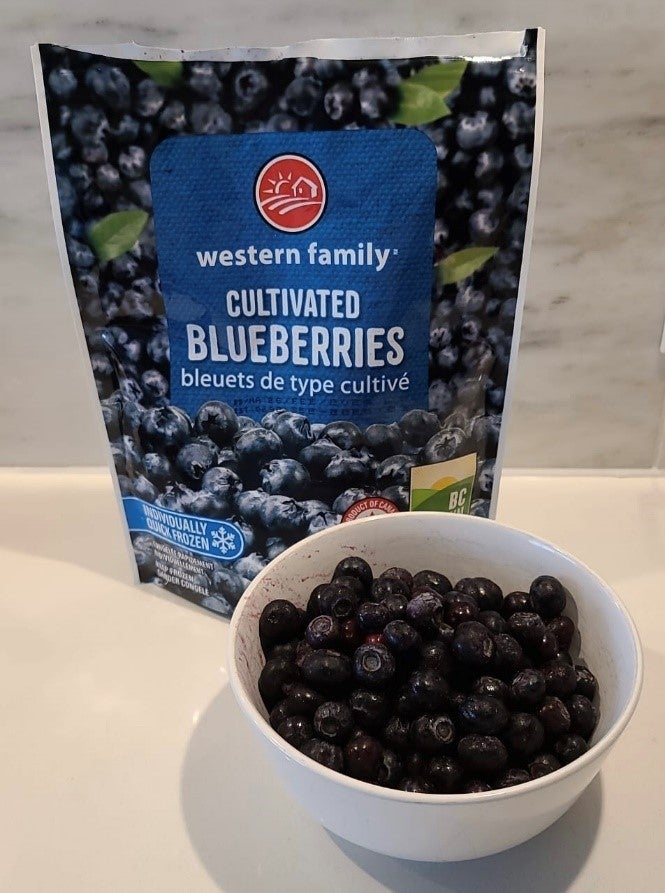
Both fresh and frozen fruits and vegetables contain a range of essential vitamins, minerals and antioxidants. Frozen produce is often seen as less nutritious, when in reality frozen is just as nutritious as fresh. Frozen fruits and vegetables are also picked at their peak ripeness, then quickly frozen. This means nutrients are maximized and spoiling is minimized.
4. Less prep time
Frozen fruits and vegetables are typically already peeled, cut and washed, which cuts down on prep time and the number of dishes to wash. Even better, you can find all types of textures. Whether your recipes call for produce to be sliced, cubed or pureed, you will always be able to find time-saving options in the frozen department.
5. Always in season
Fresh produce can be limited around certain times of the year, and what’s available is usually more expensive and not as fresh since it travels long distances to the stores. Frozen food, on the other hand, is picked in season and can be bought year-round, giving you access to almost anything you want at any time.
About our Nutrition Month 2023 series
March is National Nutrition Month, led by dietitians across the country. Dietitians work on many levels to support the nutritional needs and challenges of individuals, families and communities. They recognize that the recent increase in food costs have meant that a healthy diet is out of reach for many British Columbians.
To mark Nutrition Month 2023, we’re featuring articles written by UBC Dietetics practicum students and our staff to help you eat better, live better and save some money. Check out other stories in the series:
Top 5 ways to reduce food waste to save money – and the planet
This article was written by Zoe Maika, a UBC Dietetics student living in Vancouver. She completed the first three months of her practicum with Interior Health.



Travel nurses Michaela and Nick moved from Ontario to B.C., finding careers, community and a new home in Coldstream.
/stories/2026-09-18/travel-nursing-brings-ontario-couple-new-home-coldstream
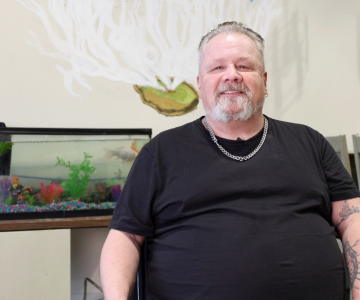
By sharing his story, Dave hopes others struggling with addiction understand that recovery is possible and that support is available.
/stories/2026-09-17/what-worked-me-daves-healing-journey-addiction
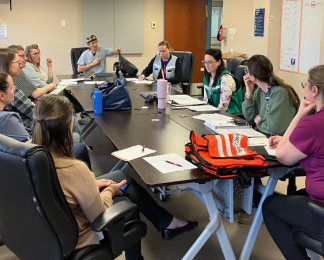
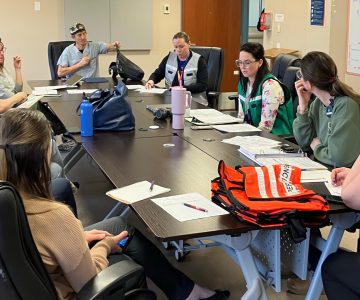
For IH, wildfire preparedness is shaped by years of experience, regular training, exercises, inventories and relationships with partners across the region.
/stories/2026-09-15/ih-prepares-wildfire-season-long-smoke-arrives


IH’s CMH redevelopment team travelled around Cariboo to reconnect with Indigenous communities and share how their input is shaping the hospital's new building.
/stories/2026-09-10/closing-circle-indigenous-communities-shaping-future-cmh


Chris Turner turned to addiction as a teenager, but through his recovery has become a mentor to give hope to others battling addiction.
/stories/2026-09-09/what-worked-me-chriss-focus-daily-skills-helps-recovery
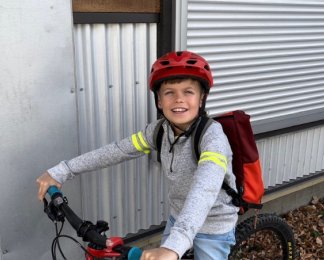
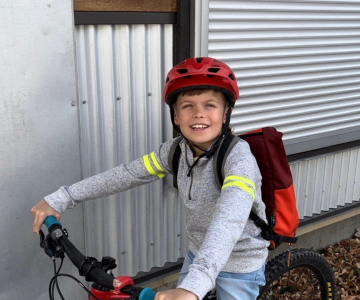
Find tips for walking, biking or rolling to school safely. Learn how to make it safer to travel to school in your community.
/stories/2026-09-04/how-walk-bike-or-roll-school-safely
STAY CONNECTED