Resources
Frequently Asked Questions
Find Locations
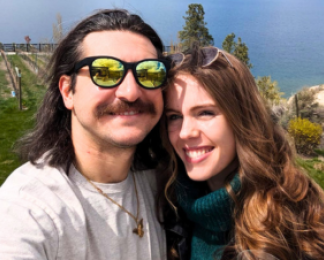
Travel nurses Michaela and Nick moved from Ontario to B.C., finding careers, community and a new home in Coldstream.
/stories/2026-09-18/travel-nursing-brings-ontario-couple-new-home-coldstream
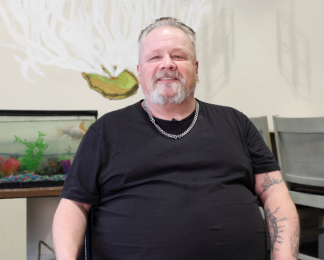
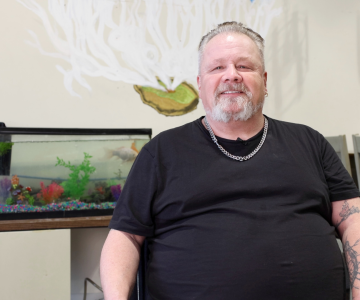
By sharing his story, Dave hopes others struggling with addiction understand that recovery is possible and that support is available.
/stories/2026-09-17/what-worked-me-daves-healing-journey-addiction
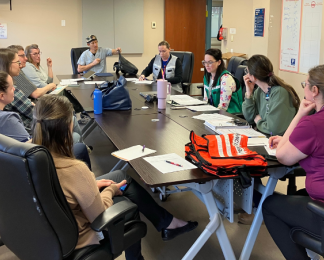
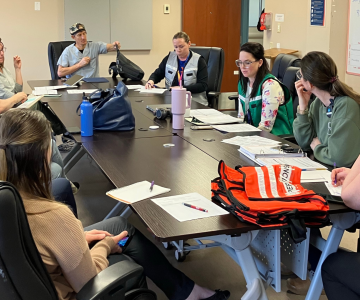
For IH, wildfire preparedness is shaped by years of experience, regular training, exercises, inventories and relationships with partners across the region.
/stories/2026-09-15/ih-prepares-wildfire-season-long-smoke-arrives
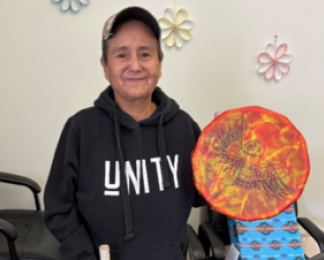
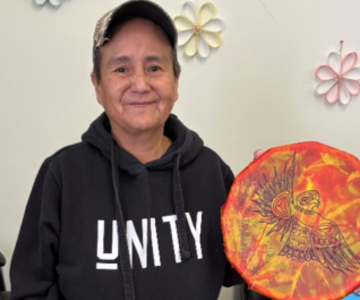
IH’s CMH redevelopment team travelled around Cariboo to reconnect with Indigenous communities and share how their input is shaping the hospital's new building.
/stories/2026-09-10/closing-circle-indigenous-communities-shaping-future-cmh
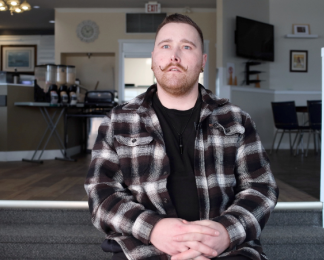
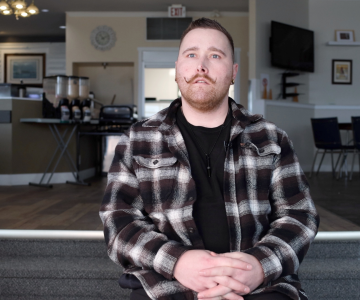
Chris Turner turned to addiction as a teenager, but through his recovery has become a mentor to give hope to others battling addiction.
/stories/2026-09-09/what-worked-me-chriss-focus-daily-skills-helps-recovery
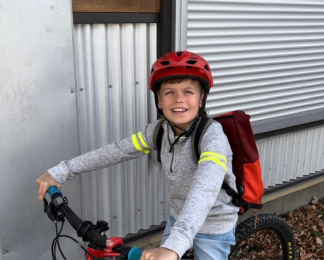
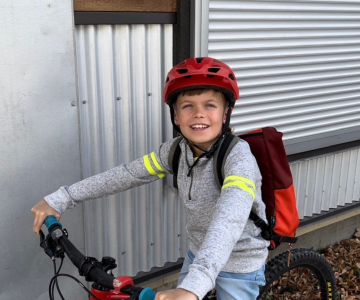
Find tips for walking, biking or rolling to school safely. Learn how to make it safer to travel to school in your community.
/stories/2026-09-04/how-walk-bike-or-roll-school-safely
STAY CONNECTED