
How older adults and seniors can prepare for extreme heat events
B.C. is experiencing higher annual summer temperatures and more extremely hot days. Everyone can benefit from planning and preparing for extreme heat.
Prolonged periods of extreme heat can be dangerous, especially for those who don’t have access to a cool indoor environment, or who are unhoused or unsheltered. Extreme heat can start with little warning and can build over multiple days, as we saw throughout the Interior region the past few years. Most heat-related illness occurs indoors in spaces without air conditioning.
Related Stories@IH: Summer Safety: Tips to protect yourself from summer heat

Why older adults and seniors are more vulnerable to extreme heat
Among the people most at risk from extreme heat are older adults, seniors and people with pre-existing health conditions such as diabetes, or heart, kidney or respiratory disease, as well as those with mental health and substance use concerns.
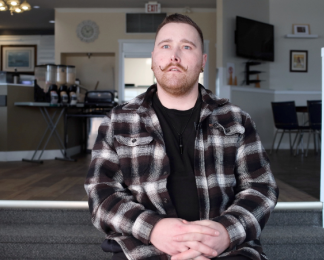
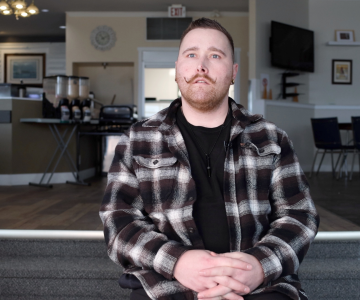
“Seniors and older adults are at higher risk when it comes to extreme heat,” says Dr. Sue Pollock, medical health officer at Interior Health (IH). “Many have chronic underlying health conditions or are taking medications that interfere with the body’s ability to stay cool.
“Seniors may have trouble accessing spaces with cooler air due to mobility or transportation challenges, or may not have air-conditioned homes,” she adds. “And seniors and older adults living alone are more vulnerable.”
Dr. Pollock also points out that recognizing heat-related illnesses can be challenging in people of all ages. “Symptoms of heat exhaustion can include fatigue, nausea, headache and dizziness,” she explains. “Heat stroke occurs when the body can no longer cool itself down and is a medical emergency.
“Heat-related illness is entirely preventable and it’s important that we take steps to protect everyone in our community during extreme heat events,” she explains.
How you can help a senior or older adult
During the 2021 heat dome in B.C. hundreds of lives were lost, primarily in older adults over the age of 50 who were living alone and socially isolated.
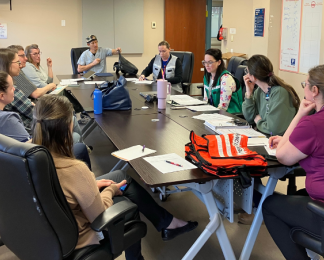
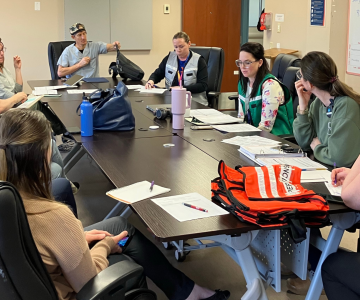
“I think it's really important that we take a whole of community approach when it comes to protecting our seniors and older adults,” says Dr. Pollock. “We can develop a buddy system with our neighbours, family and friends to keep each other safe. For example, we can reach out to our elderly neighbour across the street to make a plan for when the temperatures start to climb. We can make sure our elderly family, friends and neighbours are drinking enough fluids, especially water, before they feel thirsty as they are more susceptible to dehydration.”
Related Stories@IH: IH works with community partners to plan for extreme heat
Some ways you can help a senior or older adult during an extreme heat event can look like:
- Regularly checking in, especially on days where the temperature rises above 30°C
- Offering to take a senior or older adult to an air-conditioned space such as a mall, community centre or library
An extreme heat home checklist
It’s important to plan and make sure that you and your loved ones are ready when the temperature rises in your community. If you can, we encourage you to have the following available at home:
- Cold packs in your freezer
- Cooling blankets, lightweight clothing and linen
- Access to plenty of water and other liquids to stay hydrated
- Window coverings to block out heat
- An accurate digital thermometer to measure indoor temperatures
- A space in the coolest part of your home, such as the basement, once outside temperatures reach 31°C
- Misting fans (fans that circulate room air are not recommended over 35°C)
- Air conditioning in at least one room. Free portable air conditioners from BC Hydro are available to households that qualify for the program
- Two weeks’ worth of any medication (both routine and flare-up/emergency) and inhalers
- Portable air cleaners or air filters for your HVAC system for times of potential smoke
Receiving IH services? Have an emergency back-up plan
Having a personal emergency back-up plan will help you stay safe at home in the event of an emergency or a temporary interruption of Interior Health services that you normally receive in your home. We saw interruptions to services during the 2023 wildfires, for example.
One step you can take is having a neighbour, friend or family member available so they can support you if your care is interrupted unexpectedly.
“We also encourage you to plan ahead before you need to leave your home due to the heat,” says Becky Miller, director, Home Support Transformation. “This plan may include staying with family or a friend or relocating to a cooling space in your community during the hottest part of the day.
“If you are receiving services from IH and are moving to another location, please call your community health worker or office to avoid any disruption to your care.”
Stay safe with these extreme heat resources
- Learn how to prepare and respond to extreme heat
- Find out if you qualify for a free portable air conditioner
- Heat-related Illness (HealthLink BC)
- For heat and air quality updates, tune into the news or download the WeatherCAN app
- Be prepared for extreme heat and drought (Province of B.C.)
- Medical health officers' letter about heat and smoke
Other stories in this series
Get more stories like this
Sign up to receive the Stories@IH email digest twice a week to your inbox.
Thirty-five years into her career with IH, Elizabeth Adolph still loves what she does: taking care of residents at Mountain View Lodge in Lillooet.
/stories/we-are-ih-care-aide-proud-residents-consider-her-friend
In the 5 years since the In Plain Sight report was released, we’ve made strides towards being a culturally safe organization—but there’s more work to do.
/stories/ihs-fifth-plain-sight-response-supports-reconciliation
Inspired by her aunt’s career as a pharmacist, Angela became a pharmacy technician to use the hands-on aspect of compounding to benefit patient care.
/stories/we-are-ih-pharmacy-tech-enjoys-problem-solving-patients
Souper Meals brings students together once a week over locally made soup, fresh fruit, veggies and buns, all free of charge.
/stories/more-soup-benefits-universal-school-lunch-program
With decades of experience rooted in compassion and commitment to children’s health, Dr. Jeff Wong is carving a path for pediatric care at Kelowna Hospital.
/stories/dr-jeff-wong-leads-kelowna-pediatric-department-forward
The holidays season offers opportunities to drink alcohol, and it can be easy to overindulge. Get tips on how you can drink less - and live more.
/stories/holiday-spirit-tips-drinking-moderation-season
STAY CONNECTED
Receive news, alerts, public service announcements and articles right to your inbox.