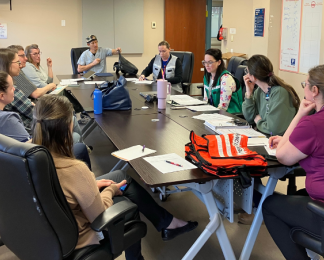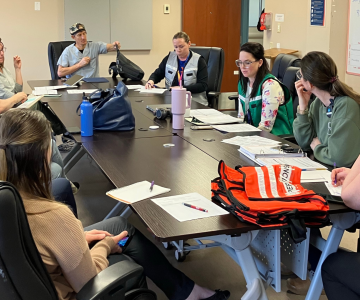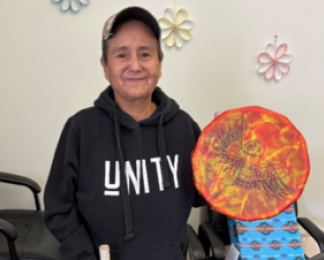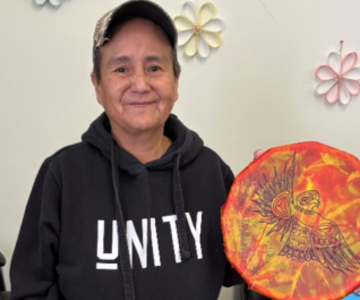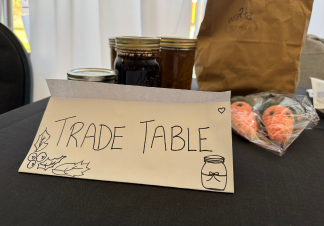
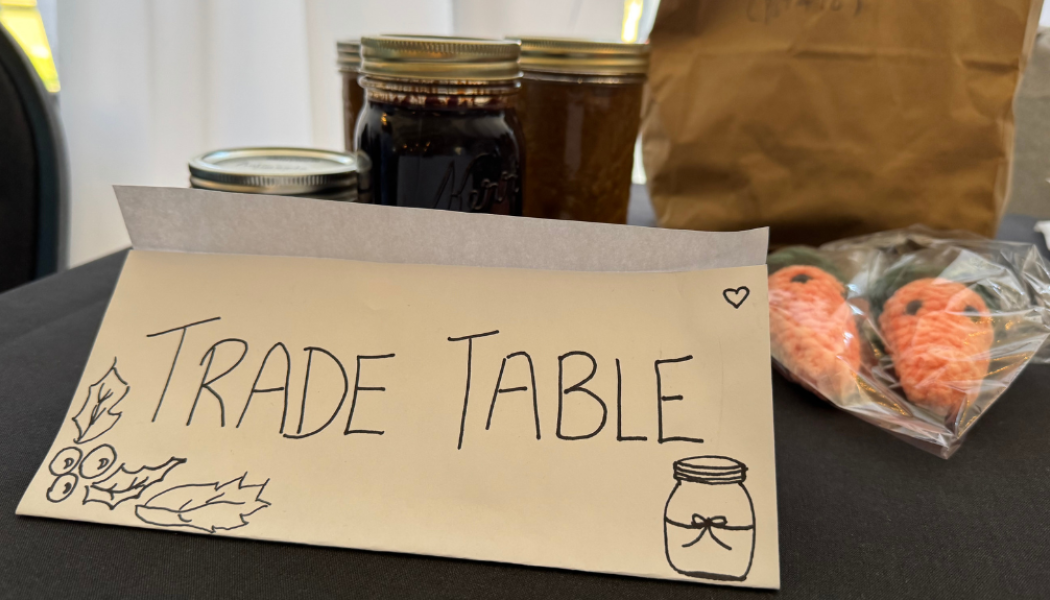
The fourth annual Interior Region Indigenous Food Forum (IRIFF) took place Oct. 22–23, 2025 in the traditional, ancestral and unceded territories of the Ktunaxa Nation in the community of ʔaq̓am. More than 80 participants came to the event, and together, enjoyed two days of storytelling, networking, learning and connecting.
The IRIFF is an annual gathering that brings Indigenous community members together to discuss Indigenous food systems, traditional foods and medicines. It’s a collaborative event, guided by an advisory committee made up of community representatives from Ktunaxa communities.
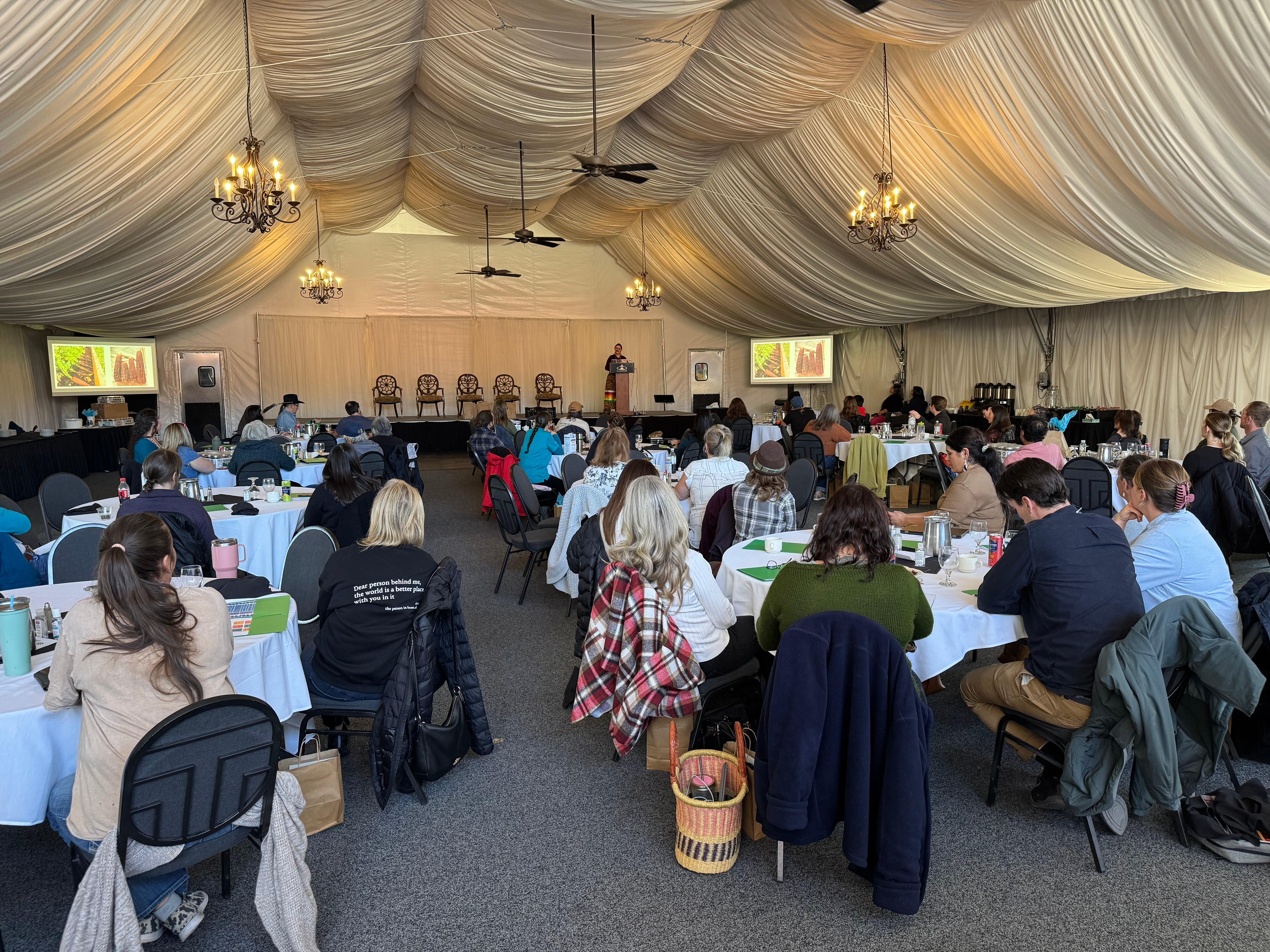
“The Food Forum is a community-driven and ever-evolving event,” says Kris Murray, corporate director of Indigenous Health & Wellness.
“It’s really a chance to talk about food and every part of Indigenous food systems—planting seeds, growing, harvesting, canning and food preservation. It’s also about the social and cultural aspects of foods and how they contribute to our health and wellness.”
“Themes like the impacts of the climate crisis and modern innovations that support traditional practices are woven into these conversations,” Kris adds. “I love seeing the faces that come back to this event year after year, and the community that this event has created.”
Event planning is led by a steering committee with members from Interior Health and First Nations Health. The committee implements the vision of the advisory—from venue to speakers to menus.
IH staff are grateful to have had the chance to host past forums within syilx, Secwépemc and Tŝilhqot’in territories.
Sharing stories and knowledge
This year, the forum opened with a Ktunaxa creation story shared by Joe Pierre—a story passed down through generations that speaks to the coming of the ʔaqⱡmaknik̓ (people).
Day one began with community storytelling sessions from ʔaq̓am, ʔakisq̓nuk and yaqan nuʔkiy, exploring how food connects to culture, land, healing and wellness within Ktunaxa territory.
Attendees then engaged in presentations on Indigenous seed stewardship by Tiffany Traverse, an Indigenous researcher and seed steward. Tzvetelina Petkova and Dr. Amèlie Mathieu presented on chronic wasting disease, a progressive, fatal disease that affects deer, moose and elk.
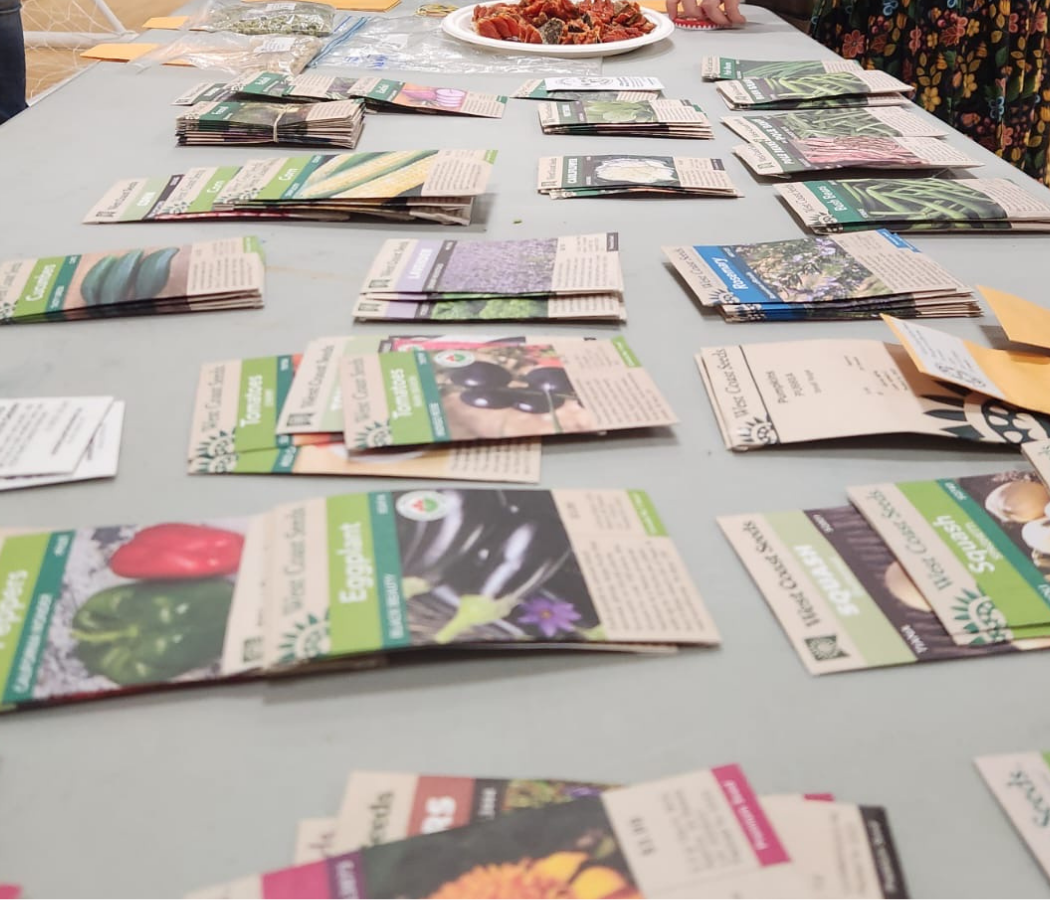
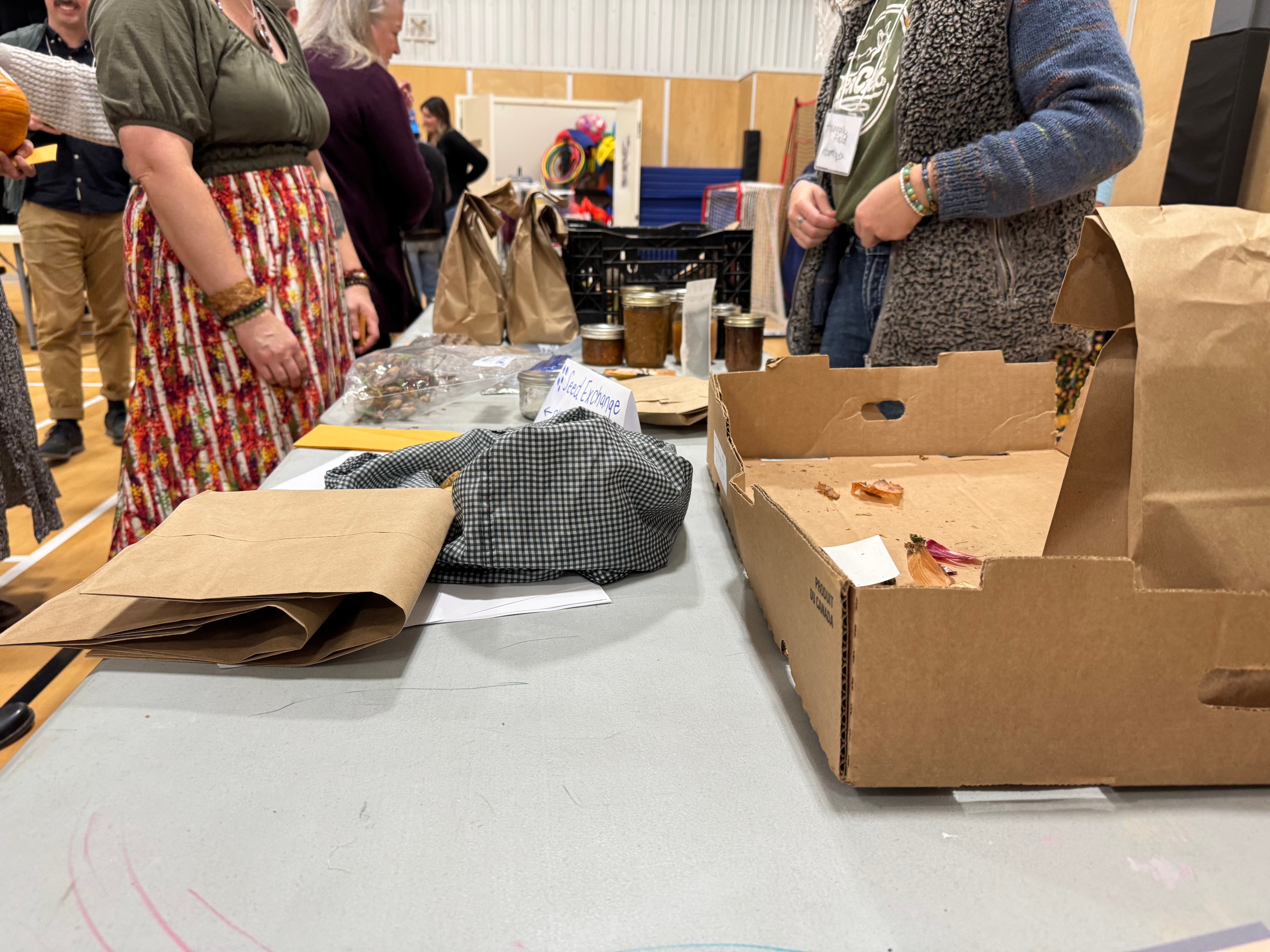
The evening featured a community dinner, drumming and socializing, and opportunities to trade tables and swap seeds.
Day two began with coffee around a cozy fire at the ʔaq̓am Arbour where participants listened to stories from communities about their experiences and the impacts present and past Food Forums have had. The Food Forum Sharing Circle was facilitated by Jill Worboys, public health dietitian. The stories shared were captured by graphic recording artist Darcy Roshau.
The event ended with space for reflection and continued dialogue, highlighting the networking and sharing that forms the foundation of this event.
As Interior Health staff, we leave this year’s Indigenous Food Forum with a commitment to strengthen our accountability to reconciliation and actively drive change within the health system.