Reducing harm is an empowering approach and part of a recovery journey
Interior Health has expanded services for youth who use substances to eight cities in B.C.’s interior. To spread the word about this new substance use services we’re working with a team of youth Peers - the SAY Project - who share their lived experience in this blog, online and with video ‘memecasts’! These youth-focussed services include treatment and harm reduction.
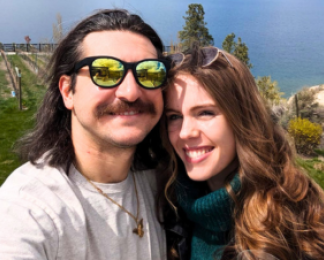
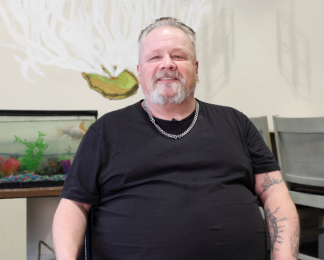
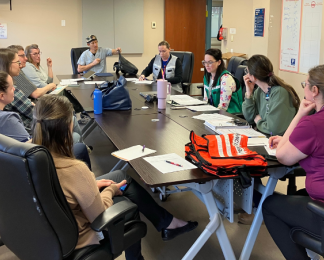
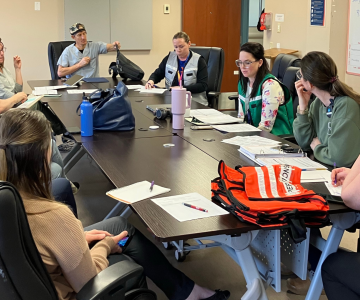
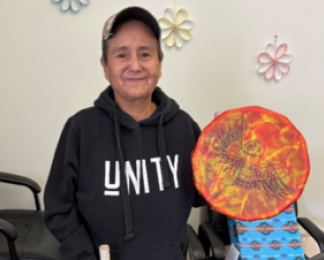
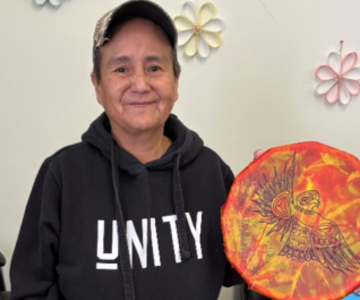
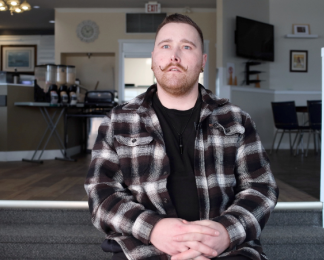
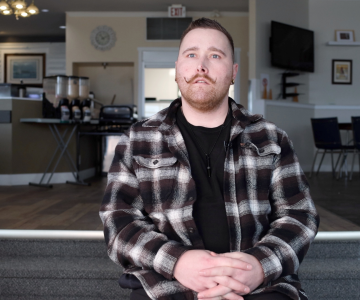
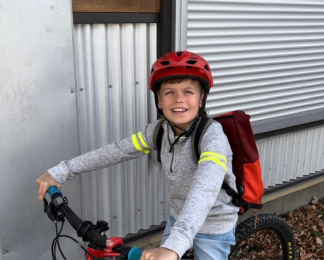
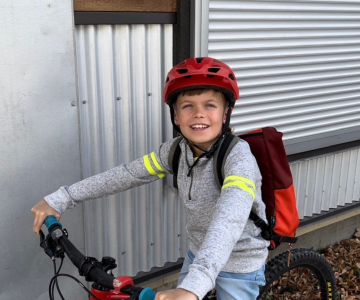
Brynn and Hayden are youth in the Interior who have lived experience with substance use. They teamed up with Interior Heath to promote new services for their youth peers.
The SAY project was launched in 2023 to promote the new substance use services Interior Health created specifically for youth across the region. Hayden and Brynn (not their real names) helped create the campaign to spread the word about these services.*
A honest conversation with Brynn and Hayden

Brynn: "Harm reduction is a topic I’m really passionate about. I don’t think enough people understand what harm reduction really means. It can look different for everyone. Harm reduction isn’t necessarily just getting sterile supplies and having safe spaces to use, it’s staying safer, improving your quality of life and so much more.
It may look like using an app when you’re using substances alone to get emergency help in case of an overdose. It may look like going to a clinic to get safer, prescribed substances instead of buying them off the street. It may even look like setting a limit for yourself on times you can use substances or how much you can use at once."
Hayden: "In my eyes as a youth who uses substances, harm reduction is any step I can take to reduce the harm of any risky behaviour. Whether it’s driving with a seatbelt on, riding a bike with a helmet, or testing my drugs before I use them, these are all actions I can take to reduce harms and risks. Harm reduction is about promoting health and wellbeing, while also respecting the autonomy of the individual to make the choice of whether or not to continue engaging in this risky behaviour. "
Brynn: "I don’t think people realise how much harm reduction can actually help someone struggling with substance use. Some people even view it in a negative way. But I’ve personally witnessed how it can change someone’s life. For example, my dad struggled with substance use for quite a few years. He couldn’t find a way to cope with his pain and trauma. But his doctor introduced him to a harm reduction clinic which offered a medication similar to the street drugs he was using that was much safer to use. He goes to the clinic twice a day to receive this medication. He hasn’t used his substance of choice for almost five years now. I know he wouldn’t be where he is today without that harm reduction program. Harm reduction is many different things and means so, so many different things to different people.
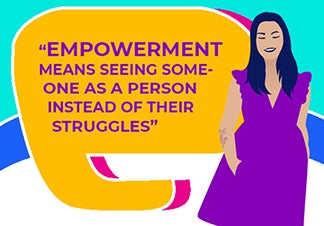
"It means seeing someone as a person, instead of just their struggles."
Everyone’s recovery looks different, everyone’s version of harm reduction looks different. There aren’t set guidelines for what harm reduction is. As long as it’s something that is reducing the harmful aspects of using substances, it’s harm reduction.

Harm reduction isn’t just safe supplies. It’s a safe space full of non-judgmental individuals who actually treat you like a human, it’s the doctor who spends an extra 10 minutes giving you information about ways to stay safe because they want to see you for your next appointment, it’s the people who spend their days looking for ways to improve the lives of those who don’t think their life is worth anything anymore."
Hayden: "I find judgement is most often projected onto me when I speak of the way or route, I use substances. Youth who inject substances are often shamed, and outcast by society. Acknowledging that all routes of administration hold risks and benefits and acknowledging that the route I choose to consume a substance does not make me a better or worse person, is a way to create a safe space for youth who use substances. An empowerment approach does not try to change a youth’s substance use out of control and out of “what's good for them.

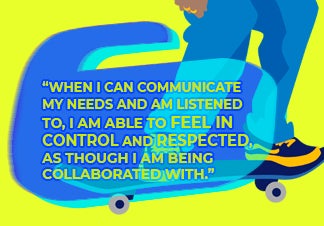
An empowerment approach means that anyone who is requesting, or receiving help and support, ultimately gets to be the primary decision maker when it comes to receiving support. This means that the care I receive as a youth who uses substances is not being overly influenced by others’ wants, needs, or feelings about my situation. When I can communicate my needs, and my needs are listened to, I am able to feel in control, respected, and as though I'm being collaborated with instead of feeling like someone else oversees me and my life. When this approach is taken, it is more likely that I will use that service because I feel respected, and second, I believe it's more likely the service has as positive an impact as it can for myself personally."

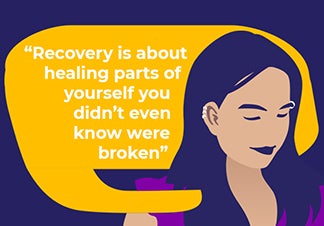
Brynn: "Personally, I think there’s a lot of misconceptions about recovery. When people think of recovery, they think of abstinence, being sober and all that kind of stuff. Recovery isn’t a final destination, it isn’t doing one thing and boom you’re recovered.
"For a lot of us recovery isn’t about abstinence."
For me personally, recovery was about healing the parts of myself that made me want to use substances. For example, when I was using substances one of the main reasons was my lack of self-confidence and social anxiety. When I would use substances, I felt confident, I didn’t feel anxious, I could have conversations without breaking a sweat and getting shaky. So, when I decided it was time for recovery, I had to find a way to deal with those feelings without substances. I started with reducing the number of substances I was using and forcing myself into social situations. Then it was small social interactions without substances. Eventually I managed to find a way to deal with those uncomfortable feelings without using substances. Acknowledging the small victories throughout my journey kept me going.
Also, recovering and getting to where I wanted to be in life helped my self-confidence issues, so there wasn’t that urge to use substances to build my confidence anymore. There’s no guideline or rule book for recovery, there isn’t only one way to do it. During my recovery, celebrating even the smallest of steps forward really helped me get to where I wanted to be."
Hayden: "People do harm reduction outreach work from an empowerment perspective in multiple ways. Harm reduction often focuses on “meeting people where they are at”. This includes listening if someone wants to change their relationship with substances, and if they do not, individuals are still supported in trying to reduce the harms from their relationship with substances."
Brynn: "Just like how recovery looks different for everyone, so does harm reduction. The main goal is to be a little bit safer than you were before and reduce the risk of something unwanted happening. When people truly understand what harm reduction is, it reduces the stigma and judgement around substance use which could end up saving someone’s life."

See related SAY posts
Brynn and Hayden have a SAY to help youth find substance use help
Youth peers believe the opposite of addiction is connection
Enjoyed this story?
Sign up to receive the Stories@IH email digest twice a week to your inbox.
*The opinions in this blog are those of individuals with lived experiences.
Thirty-five years into her career with IH, Elizabeth Adolph still loves what she does: taking care of residents at Mountain View Lodge in Lillooet.
/stories/we-are-ih-care-aide-proud-residents-consider-her-friend
In the 5 years since the In Plain Sight report was released, we’ve made strides towards being a culturally safe organization—but there’s more work to do.
/stories/ihs-fifth-plain-sight-response-supports-reconciliation
Inspired by her aunt’s career as a pharmacist, Angela became a pharmacy technician to use the hands-on aspect of compounding to benefit patient care.
/stories/we-are-ih-pharmacy-tech-enjoys-problem-solving-patients
Souper Meals brings students together once a week over locally made soup, fresh fruit, veggies and buns, all free of charge.
/stories/more-soup-benefits-universal-school-lunch-program
With decades of experience rooted in compassion and commitment to children’s health, Dr. Jeff Wong is carving a path for pediatric care at Kelowna Hospital.
/stories/dr-jeff-wong-leads-kelowna-pediatric-department-forward
The holidays season offers opportunities to drink alcohol, and it can be easy to overindulge. Get tips on how you can drink less - and live more.
/stories/holiday-spirit-tips-drinking-moderation-season
STAY CONNECTED
Receive news, alerts, public service announcements and articles right to your inbox.