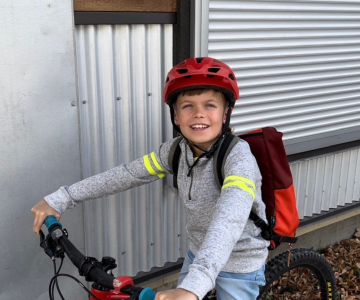
Brynn and Hayden have a SAY to help youth find substance use help
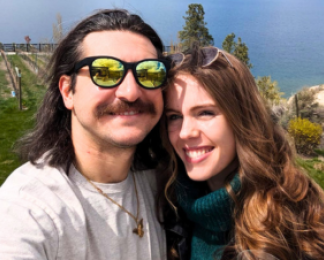
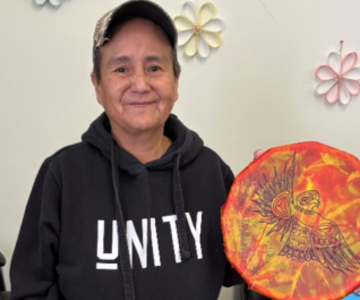
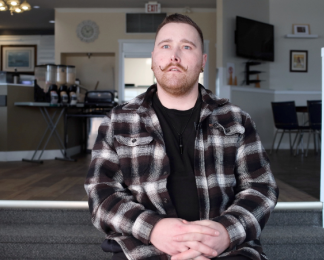
Brynn and Hayden are youth in the Interior who have lived experience with substance use. They teamed up with Interior Heath to promote new services for their youth peers.
The SAY project was launched in 2023 to promote the new substance use services Interior Health created specifically for youth across the region. Hayden and Brynn (not their real names) helped create the campaign to spread the word about these services.
Check out the Substance Use Services Available for Youth (SAY)
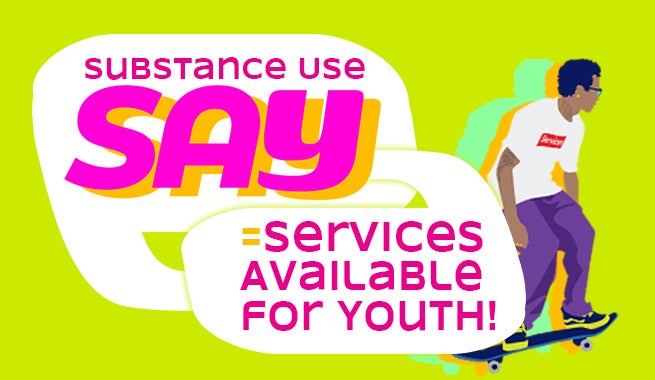
In this blog post, they share what the SAY project is all about, and what it means to them.
In Brynn and Hayden's words
"Nothing about us without us"
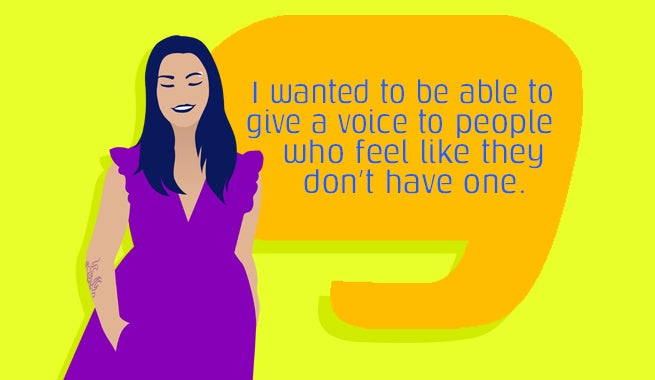
Brynn: Before being a part of the SAY Project, I didn’t really see much, if any, services available for youth being promoted. Most of the recovery ads and information I saw were directed at young adults, with no youth specific support. The reason I got involved was I wanted to be able to give a voice to people who feel like they don’t have one.

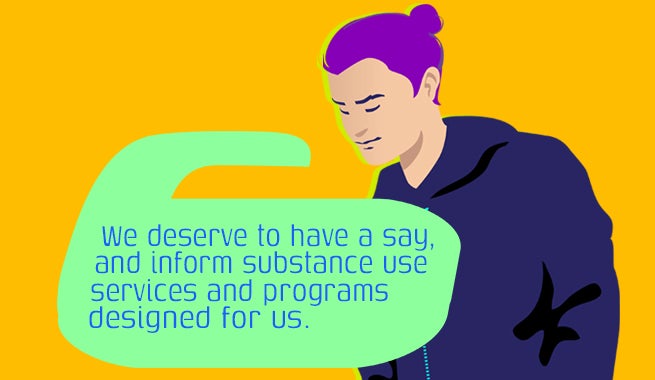
Hayden: An empowerment approach is the approach that has been taken with the SAY project. I got involved with SAY because I believe that people and youth who use substances deserve to have a say, and inform services and programs designed for them. “Nothing about us without us.” I also wanted to help better the quality of service youth who use substances receive by using my past negative and positive experiences to help inform IH Youth substance use services.
An empowerment approach means that anyone who is requesting, or receiving help and support, ultimately gets to be the primary decision maker when it comes to receiving support. This means that the care I receive as a youth who uses substances is not being overly influenced by others wants, needs or feelings about my situation. When I can communicate my needs, and my needs are listened to, I'm able to feel in control and respected, and as though I'm being collaborated with instead of feeling like someone else is in charge of me and my life. Not trying to change a youth’s substance use out of control and out of “what's good for them.”
"Recovery looks different for everyone"
Brynn: Recovering and getting to where I wanted to be in life helped my self-confidence issues, so there wasn’t that urge to use substances to build my confidence anymore. There’s no guideline or rule book for recovery, there isn’t only one way to do it. During my recovery, celebrating even the smallest of steps forward really helped me get to where I wanted to be.
I’ve personally struggled with substance use and I’ve watched loved ones struggle with it as well, so being able to be a part of this project was really important to me.
Personally, I think there’s a lot of misconceptions about recovery. When people think of recovery, they think of abstinence, being sober and all that kind of stuff. Recovery isn’t a final destination, it isn’t doing one thing and boom you’re recovered.
Hayden: I find judgement is most often projected onto me when I speak of the way or route I use substances. Youth who use substances, especially by injection or by smoking, are often shamed and outcast by society. Acknowledging that all routes of administration hold risks and benefits, and acknowledging that the route I choose to consume a substance does not make me a better or worse person, is a way to create a safe space for youth who use substances.

Brynn: Recovery looks different for everybody. Recovery could look like trying to quit the most problematic substance you’re using, or it could look like reducing the amount of substances you’re using each day or it could even look like 100% abstinence.
For a lot of us, recovery isn’t actually about abstinence. For me personally, recovery was about healing the parts of myself that made me want to use substances. For example, when I was using substances one of the main reasons was my lack of self-confidence and social anxiety. When I would use substances I felt confident, I didn’t feel anxious, I could have conversations without breaking a sweat and getting shaky.
So when I decided it was time for recovery, I had to find a way to deal with those feelings without substances. I started with reducing the amount of substances I was using and forcing myself into social situations. Then it was small social interactions without substances. Eventually I managed to find a way to deal with those uncomfortable feelings without using substances. Acknowledging the small victories throughout my journey kept me going.
"The ads were huge, they were pink!"
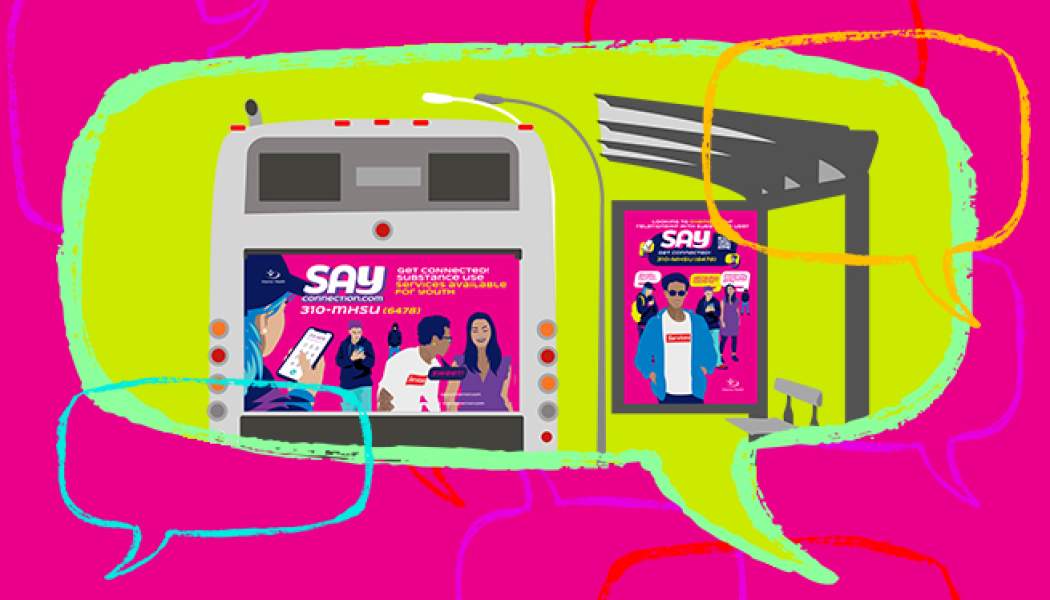
Brynn: Being able to use my previous struggles to help other people like me going through a similar situation gives my struggles a purpose. Almost like everything I went through happened for a reason, I’m able to be (part of) the help I needed when I was at my lowest. We designed posters, ads for the back of buses, stickers and more, and we got to see them showcased around B.C.'s interior!
Hayden: Along with that ad campaign, we got to create different characters to represent ourselves. We worked closely with Hello Cool World to develop sticker designs, poster designs and bus ads. It was a fun process, we were in the driver's wheel. We picked the colours and the designs, and we were informing the process every step of the way.
Brynn: It makes me really happy that we were able to create these ads for youth specifically because I think the struggles of youth who use substances are very overlooked. When I first saw the bus shelter ads in person I was very excited!
Hayden: It was impactful to be able to see the large bus ads we worked on creating. They were very noticeable. They were huge and they were pink, and where I'm from, we don't have many buses, or any big pink ads, it was awesome!!
Brynn: When my mom first saw the video ads we did, she was really proud that we were using our voices to get a very important message out there. She ended up sharing a link to the videos on Facebook so all of my other family and friends got to see them as well.
Hayden: Being involved in this project has been fun, it has given me a sense of purpose, and a sense of being involved in something that could have a positive impact on other youth. It has also given me the opportunity to create connections with many Interior Health staff, and I learned about the Interior Health Peer Advisory group.
Brynn: It was really fulfilling seeing the ads all over my city, it made me feel like we actually ARE making a difference.
Brynn: It’s important to remember that recovery means something different for each person and to respect each person's recovery journey even if it looks different from yours. I think service providers for youth should focus more on why this person wants/needs to use substances instead of just the act of using substances itself. With these support services for youth it can make recovery a possibility for people who didn’t think it was. Also, using these services could make it easier to stay on the path you’re wanting to be on. You could meet people who have similar struggles, which could end up making you feel less alone.
See related SAY posts
Reducing harm is an empowering approach, part of a recovery job
Youth peers believe the opposite of addiction is connection
Enjoyed this story?
Sign up to receive the Stories@IH email digest twice a week to your inbox.
Cottonwoods Care Centre coordinator Lia Sambrielaz has been sharing small acts of kindness at IH for 37 years.
/stories/we-are-ih-coordinator-motivated-help-long-term-care-clients
Our 9-part video series teaches about the purpose and importance of advance care planning (ACP) and why it gives peace of mind to you and your loved ones.
/stories/lets-talk-about-advance-care-planning-your-voice-your-choice
A funding initiative is helping the Cariboo Chilcotin Métis Association (CCMA) grow food security in ways that reflect knowledge, culture and community needs.
/stories/funding-helps-williams-lake-metis-community-support-food-security
Meghan Johnston became a registered psychiatric nurse after watching people struggle to navigate the health-care system and witnessing the barriers they faced.
/stories/we-are-ih-psychiatric-nurse-finds-meaning-crisis-team-role
Jasmine Mingaud found relief and stability after connecting with the Central Okanagan PCN where a team helped her manage chronic pain and life challenges.
/stories/how-primary-care-team-changed-one-womans-chronic-pain-journey
Behind every appointment, lab test and medical imaging test are a complex set of processes. A small but mighty team is transforming how that work gets done.
/stories/saving-time-improving-patient-care-intelligent-automation
STAY CONNECTED
Receive news, alerts, public service announcements and articles right to your inbox.