Six ways to plan for age-related health decisions
Many of us embrace our 50s and 60s and beyond as an opportunity for adventure and discovery. Sooner or later, however—as much as we might not want to admit it—most of us will face age-related challenges.
None of us knows what the future holds, but we can plan for it. There are tools and ways we can plan for the unexpected, whether it’s a medical emergency or slower decline.
Even if you’re feeling well and healthy now, it’s a good idea to be prepared in case you become suddenly unwell and not able to make decisions for yourself.
Here’s a step-by-step guide to planning for your health and well-being:

1. Think about what matters most to you
Take some time to reflect on what, and who, are most important to you in your life and what quality of life means to you.
Consider your future personal, financial and health-care needs. Who could help you with your home and yard if something were to happen to you? How would you get to appointments? Do you have an up-to-date financial plan? Have you researched what health-care options—free, subsidized and private—are available in your community? This could be home health services, community nursing, assisted living or long-term care.
2. Learn about advance care planning (ACP)
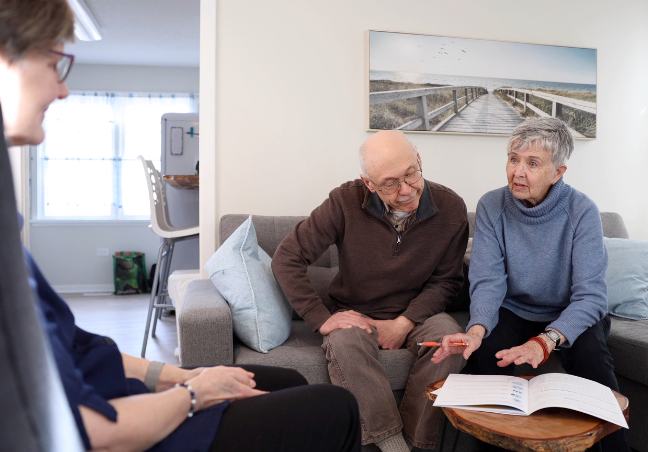
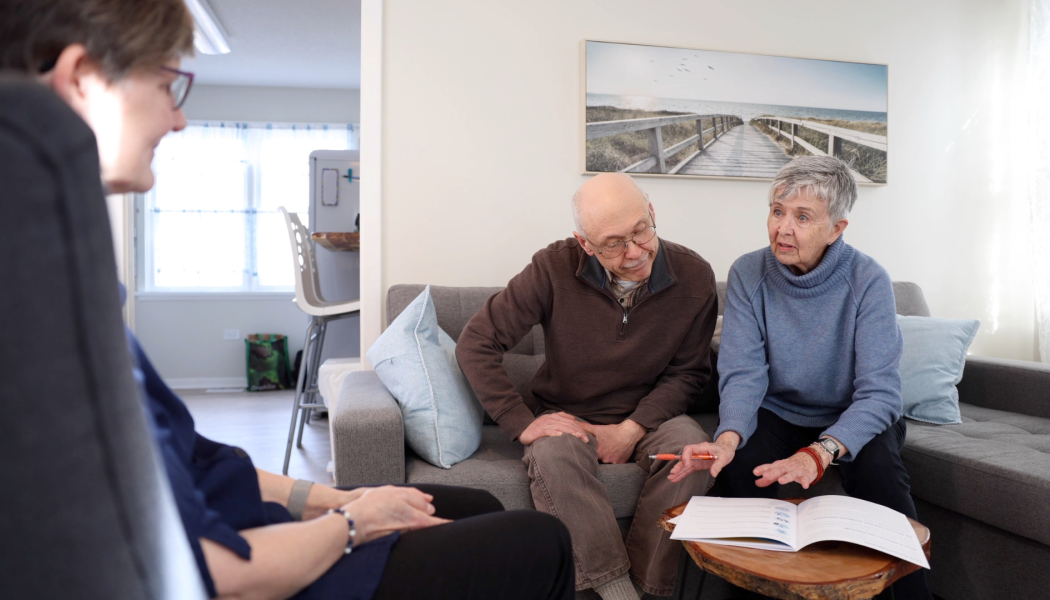
Advance care planning is for everyone! It’s about thinking ahead, talking with those closest to you, and sharing what matters most—before a health crisis happens.
ACP helps you and your loved ones make informed decisions about future health care. It’s a gift of clarity, dignity and peace of mind—for yourself and those who matter most to you. You can download Interior Health’s advance care plan workbook or request a copy by email at acp@interiorhealth.ca.
Below, view the videos in our Advance Care Planning: Your Voice, Your Choice playlist:
3. Talk about your wishes with your loved ones
This could be family and friends. These conversations can be hard but it’s best to have them when we are well and calm and not during a medical crisis. We make our best decisions when we are calm and able to set time aside to think about what matters most to us. You can appoint a substitute decision maker who can make health decisions for you when you can’t.
4. Record your wishes in writing
If you don’t talk about your wishes or write down your instructions, your loved ones and health-care team will be left to make decisions for you that they believe are in your best interest. Completing your advance care plan helps to avoid unwanted medical treatments or unintended conflicts between loved ones.
5. If you’re a caregiver—perhaps you’re caring for an aging parent—know that there are services for you, too
Interior Health offers respite services and adult day services that provide caregivers a rest and time off from care. Family Caregivers of BC supports more than one million caregivers with resources, education and support groups.
6. Revisit your plan
Advance care planning isn’t a one and done event. You might want to revisit your plan once a year as your needs, values and health change.
October 1 is recognized in Canada as National Seniors Day. This is an occasion for all Canadians to join in celebrating older adults across Canada—whether a parent, a co-worker, a neighbour or a friend.
Check out more stories like this
Inspired by the strength and openness needed to care for families during one of life’s most transformative moments, Rachel pursued a career in health care.
/stories/we-are-ih-midwifes-journey-care
Hantavirus is a rare but serious disease caused by inhaling hantaviruses in old rodent droppings or urine. Learn how to protect yourself while cleaning.
/stories/cleaning-shed-attic-cabin-or-barn-protect-against-hantavirus
Living well at home as you grow older is possible with some forethought and planning. Explore IH services and community resources that support you in your home.
/stories/how-live-well-home-well-your-senior-years
Two new modular homes have arrived at Sunnybank Retirement Centre, marking a major step in the Town of Oliver’s Housing for Healthcare Workers Initiative.
/stories/new-modular-homes-oliver-support-health-care-workers
When Dr. Elena Schroeder decided to pursue medicine, her goal was to always learn and grow. Today, she’s a leader helping shape the future of health care.
/stories/we-are-ih-cranbrook-hospitalist-continues-learn-and-grow
If you’re concerned about your child’s communication skills, the earlier they see a speech-language pathologist, the better the outcomes—and it’s free.
/stories/your-child-never-too-young-see-speech-language-expert
STAY CONNECTED
Receive news, alerts, public service announcements and articles right to your inbox.