How coordinated care supports health and dignity in encampments
This is part three in a three-part series exploring the connection between housing and health in the Interior Health region.
Homelessness is a challenge facing communities throughout British Columbia. Increasing numbers of people are living outdoors both in urban centres and in rural areas on private, municipal, provincial and federal government lands.
Some people live in cars and RVs. Others set up tents and makeshift shelters. Others cohabitate in encampments, colloquially known as “tent cities.”
In this Story…
Why do people live in encampments?
Many people in B.C. do not have access to affordable, adequate and suitable housing. This housing crisis is rooted in a system where housing has increasingly been treated as a commodity rather than a basic human need.
As a result, stable housing has become out of reach for many, particularly for those already experiencing structural inequities.
People become unhoused for complex reasons, often by factors beyond their control. These can include poverty, trauma, mental health or substance use challenges, discrimination of all kinds, racism, intimate partner violence, family breakdown, and systemic barriers.
However, housing affordability is the single most significant driver of homelessness, and the primary factor behind the dramatic increase in the number of people living outdoors and in encampments across our region and province in recent years.
37 per cent of people experiencing homelessness reported losing their housing due to insufficient income. As housing costs have outpaced incomes, many renters are now spending a significant portion of their income on housing, leaving less for food, health care and other essentials.
These factors do not affect everyone equally. Indigenous Peoples and other marginalized communities experience disproportionate rates of housing insecurity. This is due to the lasting impacts of colonialism, forced displacement, systemic discrimination, and intergenerational trauma from Indian Residential Schools.
In 2023, six per cent of the population in B.C. were Indigenous, but 40 per cent of people experiencing homelessness identified as First Nations, Métis, Inuit or another Indigenous identity. Forty-four per cent of those living unsheltered identified as Indigenous.
A sense of community
Encampments can offer people experiencing housing insecurity a sense of community and security. They can also be key points of contact for health-care and public service providers to offer people housing, shelter and supports.
On the other hand, encampments frequently spark concerns regarding personal and community safety, sanitation and health hazards. That’s because people in encampments often lack access to basic services such as clean water, sanitation or heat.
How does IH support the health of people living in encampments?
Through the Health & Housing Program, IH works alongside other IH programs—including Healthy Community Development and medical health officers—community agencies, municipalities, non-profit organizations, BC Housing and Indigenous partners to improve access to health care and services for people living outdoors.
Through these partnerships, IH contributes to efforts that reduce health risks, support access to care, and respond to emerging health concerns.
“We act as a bridge between health care, housing and community supports,” explains Carolina, interim lead, Health & Housing. “Through strong partnerships, IH supports people to access primary care, mental health and substance use services, public health supports and other community resources in ways that work for them.”
The Health & Housing Program recognizes that health outcomes are not determined by health care alone, but by how well health services, housing and community supports are connected.
IH also works to reduce barriers to care created by stigma, discrimination, system design, fragmented services, and unstable living conditions. These barriers can make it difficult for people to seek, access, or maintain care.
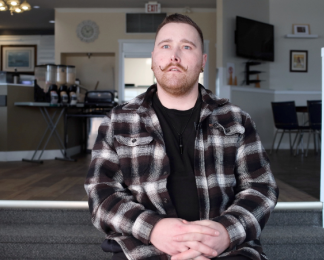
Jesse is a registered nurse who specializes in services related to communicable disease prevention and control in Cranbrook.
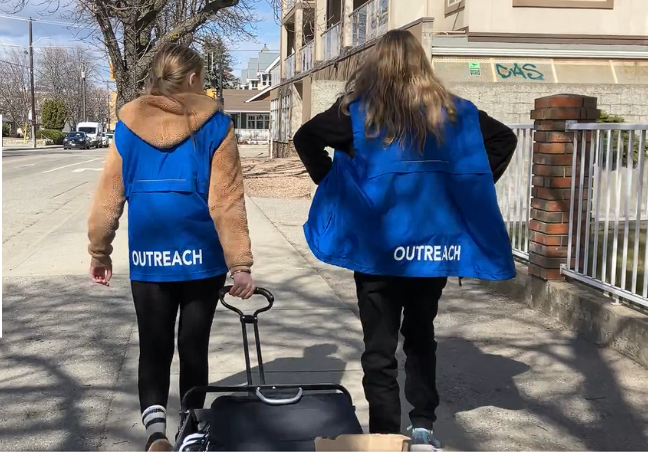
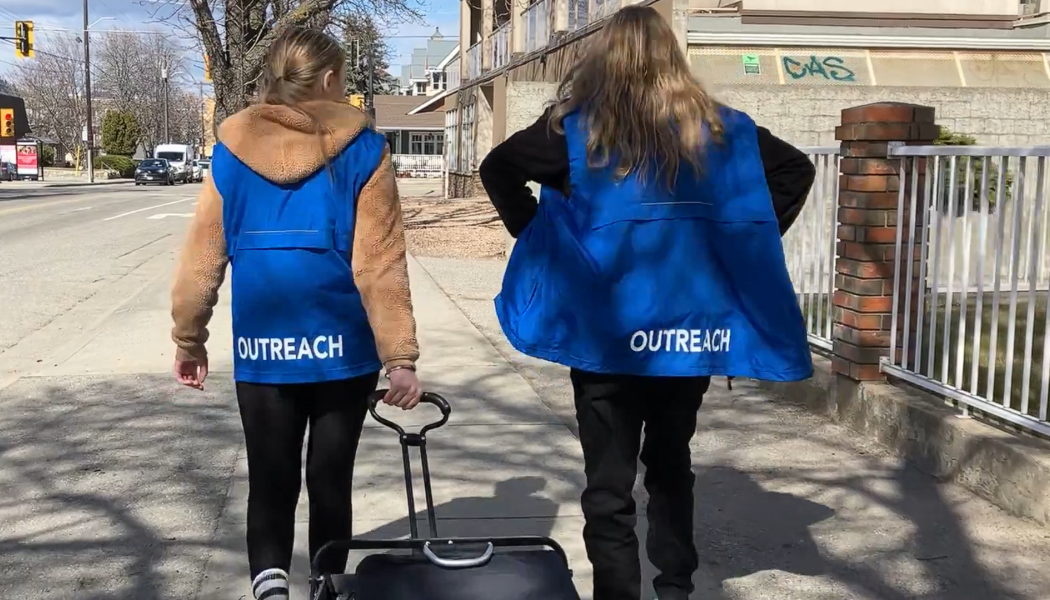
Once a week, Jesse visits Cranbrook’s in-town encampments, as well as three rural encampments, to do wellness checks, bring food and, as Jesse explains, hold space for people. They do so by showing up consistently, checking in, and taking time to build trust and get to know who they are and what’s going on in their lives. In the process, people come to see Jesse as a trusted resource who can help them navigate services and supports.
“I feel the most effective outreach is listening to people’s stories and getting to know them,” Jesse shares. “That’s what I’ve found helps build trust over time, people choose to connect with health care and services because they know someone they can trust.”
Jesse notes there’s no single reason people are living in encampments, and it’s often a combination of factors. “For people who were already living precariously, COVID seems to have been a turning point, often accelerating isolation and housing instability. Along with the rising cost of living, it’s made it harder for people to find and maintain stable housing.
“Many of the people I work with are navigating substance use in an increasingly unpredictable drug supply, often involving alcohol, opioids or meth,” Jesse adds. “It can feel like a rollercoaster, with periods of stability and setbacks. Recovery is one thing; sustaining it over time is often much more complex.”
Jesse says that the work in Cranbrook is built on strong relationships across teams and organizations. They work closely with colleagues in Mental Health and Substance Use, as well as city staff, nursing students, and community partners like ANKORS, alongside the Ministry of Health and the RCMP.
Encampments do not meet the conditions of adequate housing under human rights law, but they are still home to their residents. This fact creates clear human rights obligations for local governments. Encampment residents have a right to meaningful participation, inclusion and empowerment.
What other roles does IH have when it comes to encampments?
Public health organizations like IH work collaboratively with partners, including other health services, bylaw, fire, local police, community partners, Indigenous support organizations, and people living in the encampments to coordinate activities and communication.
Through various departments and programs, health authorities like IH:
- Uphold Indigenous rights and advance Truth, Rights and Reconciliation
- Advocate for healthy public policy and improved access to services
- Promote healthy public environments
- Provide consultation on encampments, ensuring public health considerations, trauma-informed practices, cultural safety, and encampment residents’ human rights are reflected in local response
- Support BC Housing and community agencies in coordinating responses to emergent situations, such as weather‑related events
- Share data-driven insights on how housing and homelessness affect health
Clearing encampments can be harmful to residents' health
Research shows that when people are forced to leave encampments without being given proper housing, it can seriously harm their health and well‑being.
When people are moved, they may lose important items like medications, ID, phones and clothing. They can lose access to health care and social services they rely on. This kind of displacement can increase stress and trauma, make existing mental health and substance use challenges worse, and interrupt ongoing treatment.
Clearing encampments repeatedly is linked to higher risks of overdose, hospitalization, infectious diseases and even early death, especially for people with complex health needs. These disruptions make it harder for people to stay connected to services and move into stable housing.
If a community does not have sufficient shelter beds, which is true of many communities in the Interior region, governments are required to designate camping areas for people.
Encampments can be removed, however, if they pose extreme safety risks, such as fire hazards, or if they violate municipal bylaws (e.g., in parks) and alternative shelter is provided. Bylaw staff or contractors can remove abandoned camps. They can also remove garbage and connect people with services that might get them into housing.
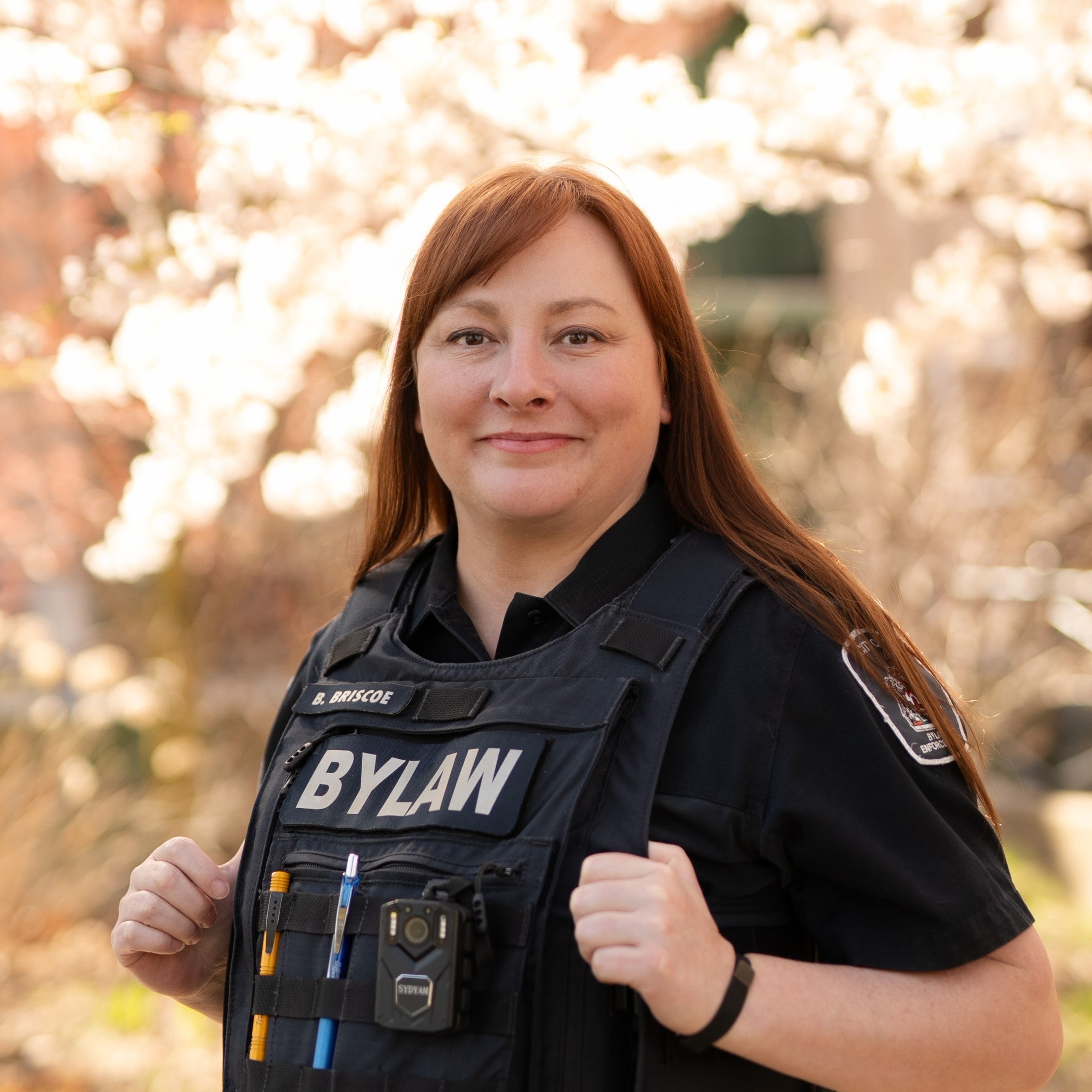
Bobbie Briscoe is a bylaw enforcement officer in Trail. She takes a humanistic approach to people living in encampments, offering compassion, respect and kindness.
“I build rapport with the people in the encampment. I do wellness checks, I get to know them, and they get to know me,” she shares.
Bobbie talks to residents near encampments to let them know what’s happening. She finds the cleaner the encampments, the calmer residents are.
She shares her skills with other city workers and departments through de-escalation training. “The best de-escalation is to not escalate things in the first place,” she notes. “If you walk up to someone and ask ‘Hi there, what's your name? What's happening? How can I help?' it's going to go a lot better."
Her work has gone well beyond bylaw enforcement. She has responded to overdoses, emergencies and violent incidents. In 2025, Bobbie saved the life of a 16-year-old girl.
Bobbie was recently recognized for her outstanding contribution to community safety, outreach and professional leadership with the 2026 Officer of the Year award.
Better outcomes for people and communities
Encampments highlight the urgent need for more affordable housing options. Expanding the supply of affordable and supportive housing is essential to reducing homelessness and preventing people from having to shelter outdoors.
Achieving this requires strong coordination across sectors. Health-care services alone cannot address the broader conditions that shape health. When health services, community organizations and housing partners work together, people experiencing housing insecurity or living outdoors are better supported to stay health and move toward stability and housing.
For IH, coordinated care is about building connected systems that not only respond to immediate needs but also support pathways to affordable pathways. This approach contributes to better health outcomes and safer and healthier communities for everyone.
Resources and reading
- Responding to homeless encampments (BC Office of the Human Rights Commissioner)
- The Advocate's review of homeless encampments (Canadian Human Rights Commission)
- The Intersection of Health, Housing, and Homelessness – The Role of BC’s Public Health Sector (Office of the Provincial Health Officer)
- Encampment & Homelessness Response: HEART & HEARTH (BC Housing)
Check out more stories like this
Dr. Neil Crofts reflects on a career defined by leadership, service and a lasting commitment to the communities he served.
/stories/community-minded-physician-and-leader-leaves-lasting-mark
Returning home after an evacuation can be a relief. Depending on how long you've been gone, and the condition of your home, you may need to follow precautions.
/stories/returning-home-after-evacuation
Find out how to access the health care you need if you're living situation changes due to a wildfire
/stories/accessing-care-if-youre-evacuated-due-wildfire
Wildfires and natural disasters have many impacts on mental health and well-being. Here are some tips that can help with the stress from wildfire season.
/stories/how-take-care-your-mental-wellness-during-wildfire-season
Choosing to practice medicine in a small community in Canada wasn’t part of Babatunde’s original plan, but he’s glad he took the leap.
/stories/we-are-ih-cranbrook-doctor-finds-meaning-rural-bc-health-care
The IH Indigenous health & wellness podcast explores the intersection of health & culture in the workplace, everyday lives and patient care.
/stories/celebrating-interior-voices-podcast-75th-episode-launches
STAY CONNECTED
Receive news, alerts, public service announcements and articles right to your inbox.