Why we wear orange on National Truth and Reconciliation Day
Content warning: This article references Indian residential schools (IRS) and may affect those who attended a school or know someone impacted by it.
Each year, September 30 marks Orange Shirt Day and the National Day for Truth and Reconciliation.
Orange Shirt Day is an Indigenous-led grassroots commemorative day intended to raise awareness of the individual, family and community intergenerational impacts of residential schools, and to promote the concept of “Every Child Matters.” This date was chosen because it is the time of year in which Indigenous children were taken from their homes to residential schools.
National Day for Truth and Reconciliation honours the children who never returned home from and Survivors of residential schools, their families and communities. This federal statutory holiday was created through legislative amendments made by Parliament in 2021. Public commemoration of the tragic and painful history and ongoing impacts of residential schools is a vital component of the reconciliation process.
The story of Orange Shirt Day
Orange Shirt Day is a legacy of the St. Joseph Mission (SJM) Residential School (1891-1981) Commemoration Project and Reunion events that took place in Williams Lake, B.C. in May 2013.
This project was the vision of Esk’etemc Chief Fred Robbins (Alkali Lake), and a former SJM student. The events of the SJM Residential School Commemoration Project and Reunion were designed to commemorate the residential school experience, to witness and honour the healing journey of the survivors and their families, and to commit to the ongoing process of reconciliation.
Phyllis (Jack) Webstad is a former SJM student and a spokesperson for the SJM Residential School Commemoration Project and Reunion group. Leading up to the events, she told her story of her first day at residential school. She had just turned six years old. On that first day, her shiny new orange shirt, bought by her grandmother, was taken from her. Read Phyllis’s story in her own words here.
Phyllis founded the Orange Shirt Society in 2013.
The confirmation of unmarked graves at residential schools across the nation (a truth that Indigenous Peoples have always known), affirms the necessity of learning, acknowledging, and reconciling the historic and ongoing harms from the residential school system.
Having an understanding of these stories and acknowledgment of these stories also builds compassion and empathy. When you have compassion and empathy you can provide better care to individuals.
Why we wear orange
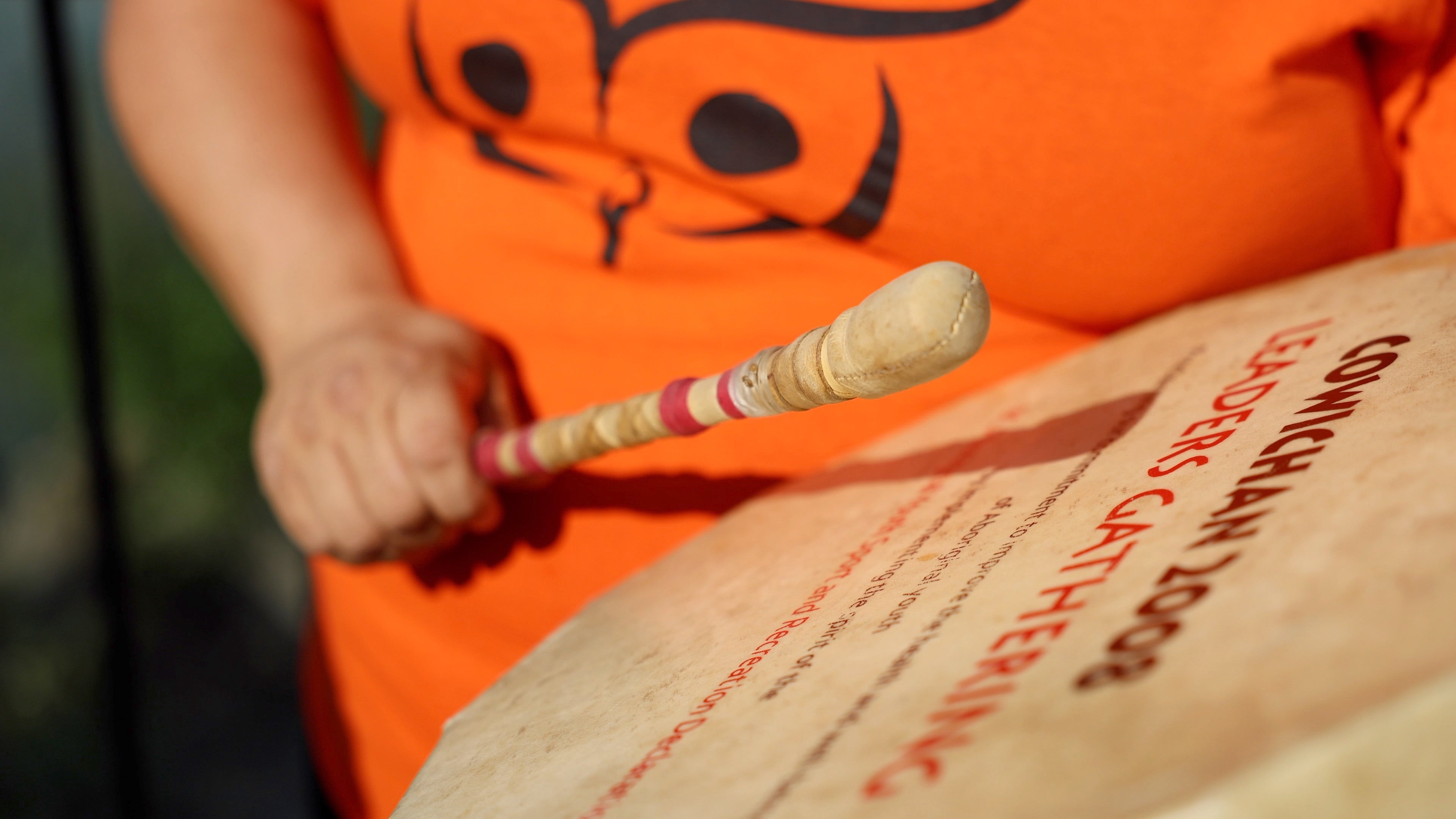
In 2024, Indigenous Employee Experience and Indigenous Partnerships produced a video about Orange Shirt Day / National Day for Truth and Reconciliation be produced to educate Interior Health (IH) staff about residential schools, Orange Shirt Day and Truth and Reconciliation.
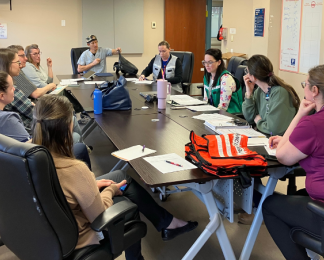
This year, the Indigenous Cultural Safety and Humility education team, and Indigenous Partnerships staff and colleagues, got together in Kelowna and Kamloops over two days in early September to discuss September 30.
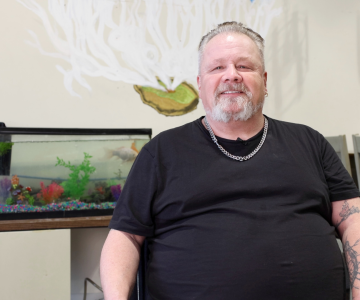
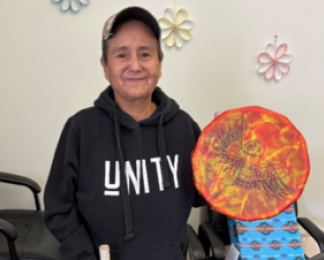
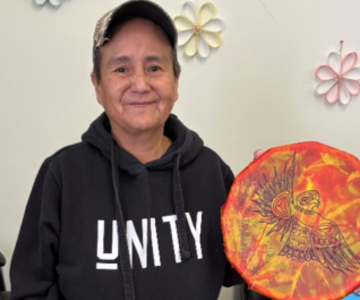
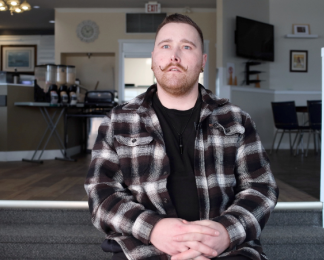
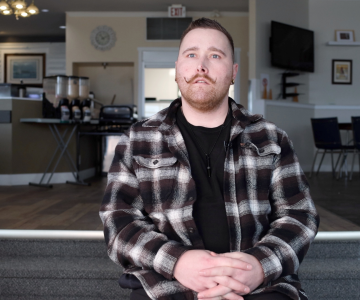
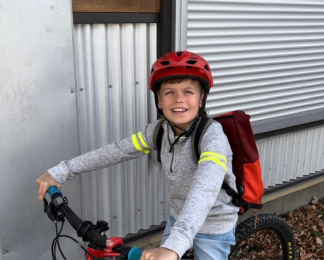
Each staff member shared what the day means to them, why they wear orange and why it’s important for IH to not only acknowledge but participate in Indigenous-specific days of significance.
In Kamloops, IH talked to Lenora Starr, Indigenous Cultural Safety Practice lead, Victoria Jaenig, Indigenous communications consultant, and Janessa Collins, business partner, Indigenous Employee Experience.
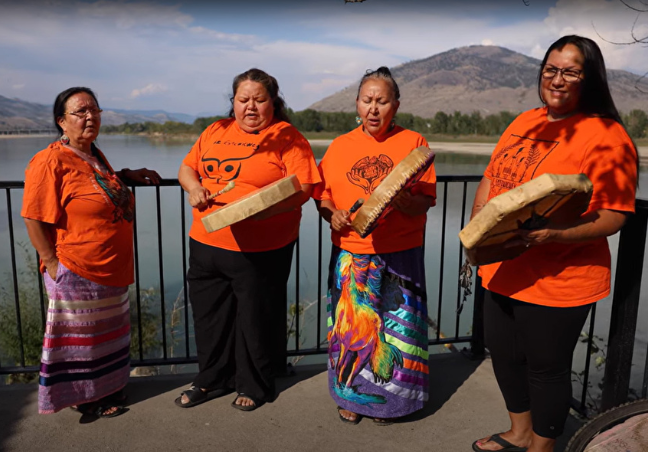
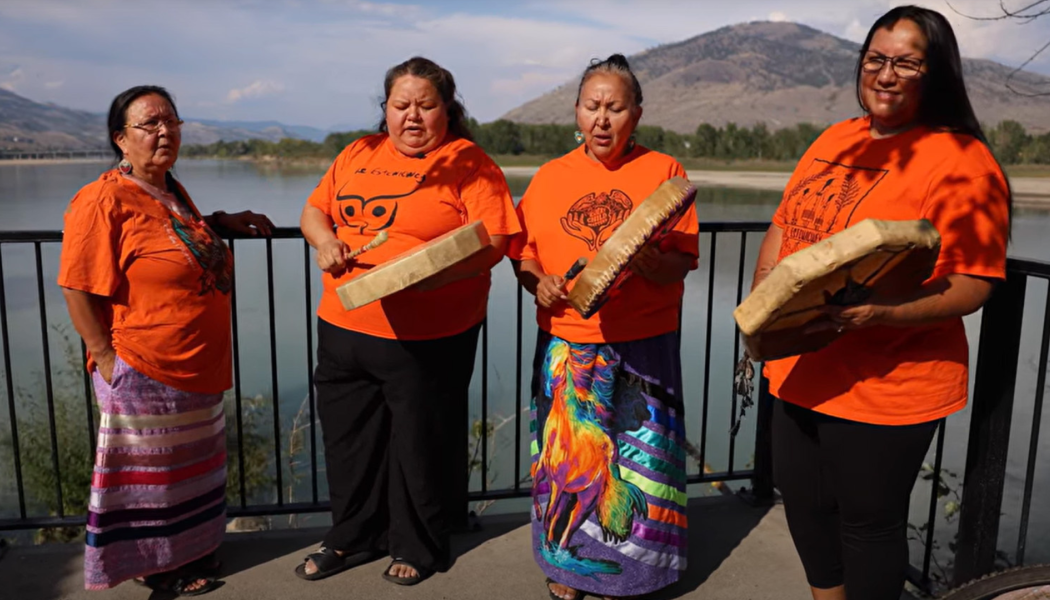
In Kelowna, our media team met with Nicole Big Sorrel Horse, Indigenous Mental Wellness lead, Auroara Leigh, Indigenous Antiracism Education Facilitator, Charlotte Whitehead, Indigenous Mental Wellness lead; Jade Chaboyer-Kondra, Indigenous Engagement lead, and Christopher Macklin, Indigenous Antiracism Education Facilitator. This video also features local hand drummers from All My Relations, a First Nations performance group.
Find a 2025 Orange Shirt Day/National Day for Truth and Reconciliation event near you

This is a partial list of events. Be sure to check listings for Orange Shirt Day and National Day for Truth and Reconciliation events in your area.
Enderby
Walk and Gathering
Sept. 30 | 10 a.m.
Enderby Chamber of Commerce, 700 Railway Street to Splatsin Community Centre, 5787 Old Vernon Rd.
Kamloops
National Day for Truth and Reconciliation
Sept. 30 | 10 a.m. – 3 p.m.
Tk̓emlúps Arbour, 345 Powwow Trail
Kamloops
OSD / NDTR Unity Awareness Motorcycle Run
Sept. 30 | Kickstands up 9 a.m.
Kamloops Indian Residential School building
330 Chief Alex Thomas Way
Penticton
Walk for the Children
Sept. 30 | 10 a.m.
Safeway Parking Lot (1301 Main Street) to Penticton Fish Hatchery, 16 Green Mountain Rd.
Vernon
Walking the Path Together: Truth & Reconciliation Gathering
Sept 30 | 11 a.m. – 2 p.m.
North Okanagan Friendship Centre 2904 29 Ave.
Building a future free of discrimination and racism within IH
IH’s department leadership teams work with Indigenous Partnerships to create positive change in B.C.’s health-care system. Explore some recent work and initiatives at IH.
Indigenous Employee Experience Strategy 2024-2029
Indigenous Health & Wellness Strategy
Watch the first two videos in our cultural safety video series:
Tŝilhqot’in: People of the River (15 mins)
Reconciliation in Action: Passing the Mic
Listen to our Indigenous-led podcast featuring curated conversations highlighting initiatives and projects, and challenges Indigenous peoples face navigating health-care systems.
Understand how Indigenous culture is integrated in our facilities:
Additional Indigenous resources
- In Plain Sight: addressing Indigenous-specific racism and discrimination in B.C. health care report
- Truth and Reconciliation Commission of Canada: 94 Calls to Action
- National Inquiry into Missing and Murdered Indigenous Women and Girls “Reclaiming Power and Place” executive summary of the final report
- BC Gov | Declaration on the Rights of Indigenous Peoples Act Action Plan 2022-2027
- IH In Plain Sight Response – Annual Update - November 2024
- IH Indigenous Cultural Safety & Humility Policy, Anti-Racism Policy, and Diversity Policy
If you need help or support
Call 310-MHSU (6478) to reach your local Mental Health and Substance Use Centre for support in your community.
If you’re experiencing feelings of hopelessness or thoughts of self-harm, you can call one of these numbers. These services are available 24 hours a day, seven days a week, including holidays:
- National Indian Residential School Crisis Line - 1-866-925-4419
- KUU-US (Indigenous) Crisis Line - 1-800-588-8717
- Métis Crisis Line - 1-833-638-4722
- Interior Crisis Line Network - 1-888-353-2273
- Suicide Crisis Helpline - 988
Check out more stories like this
Inspired by the strength and openness needed to care for families during one of life’s most transformative moments, Rachel pursued a career in health care.
/stories/we-are-ih-midwifes-journey-care
Hantavirus is a rare but serious disease caused by inhaling hantaviruses in old rodent droppings or urine. Learn how to protect yourself while cleaning.
/stories/cleaning-shed-attic-cabin-or-barn-protect-against-hantavirus
Living well at home as you grow older is possible with some forethought and planning. Explore IH services and community resources that support you in your home.
/stories/how-live-well-home-well-your-senior-years
Two new modular homes have arrived at Sunnybank Retirement Centre, marking a major step in the Town of Oliver’s Housing for Healthcare Workers Initiative.
/stories/new-modular-homes-oliver-support-health-care-workers
When Dr. Elena Schroeder decided to pursue medicine, her goal was to always learn and grow. Today, she’s a leader helping shape the future of health care.
/stories/we-are-ih-cranbrook-hospitalist-continues-learn-and-grow
If you’re concerned about your child’s communication skills, the earlier they see a speech-language pathologist, the better the outcomes—and it’s free.
/stories/your-child-never-too-young-see-speech-language-expert
STAY CONNECTED
Receive news, alerts, public service announcements and articles right to your inbox.