Where to get care: Mental Health and Substance Use services
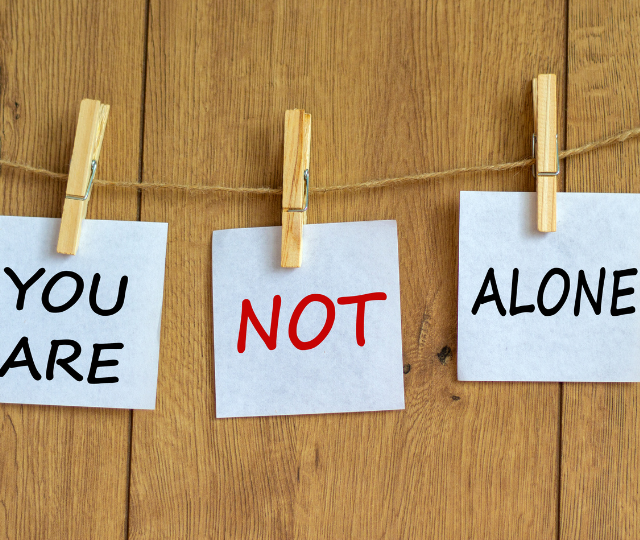
If you or someone you know is struggling with mental health or substance use issues, know you’re not alone. Interior Health offers support and helpful resources across the Interior region.
How, when and where you access mental health and substance use services depends on:
- Your age
- Where you live
- Where you are in your mental health and/or substance use journey
If you identify as Indigenous, we also have services and supports uniquely tailored to you.
In this Story…
When to access Interior Health mental health and substance use services
Our mental health services mainly serve people with moderate to severe mental health or substance use challenges.
If, for example, you’re stressed at work, but are still functioning relatively well, we recommend you reach out to your employer assistance plan, a private counsellor, doctor or nurse practitioner, or other resources available to you. There are many free or low-cost options in B.C.
How IH mental health and substance use services are organized
Our services start with prevention and early intervention. If you require more urgent or specialized care, we offer services in our facilities, with community partners and even in your own home. These services include:
- Counselling and treatment
- Support and recovery
- Speciality services such as for seniors or those with developmental disabilities
- Crisis and hospital services
- Community-based services
- Hospital-based and facility-based services
- Psychiatric services
- Street outreach
- Harm reduction, safer use and overdose prevention
You can view the full spectrum of IH services by following these links. We recommend viewing these on a laptop or desktop computer.
Start by calling 310-MHSU (6478)
Anyone can call our Mental Health and Substance Use services free access line 310-MHSU (6478) during regular business hours. You don’t need a doctor’s referral.
When you call, you’re automatically connected with an IH staff member who works in the health centre for your community. There’s no need to figure out which office in the Interior region to call.
They will ask you a few screening questions with your permission to understand you better. Once we understand this, we can connect you with someone who will provide a more detailed assessment to connect you with the right team, program or resources.
You can also contact your local MHSU centre directly.
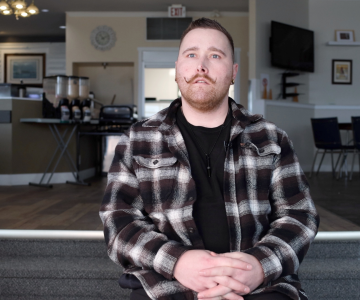
To learn more check out our video:
Meeting you where you are at
When accessing mental health and substance use supports, “any door is the right door.” If you need help, you may find it through your doctor, urgent primary care centre, hospital or a community partner. Our goal is to connect you to the right people and resources, and to meet you where you are at.
If available in your community, a great place to start is Access Mental Health and Substance Use (MHSU) centres. These provide a safe space where you can be connected to the services you need. You can visit your local MHSU centre in your community or ask your family doctor or nurse practitioner for a referral.
If you’re in an emergency or crisis
If you’re in an emergency, for example having difficulty breathing, chest pains or severe bleeding, or if you are concerned for your own or someone else’s immediate safety or well-being, call 911.
If you’re experiencing feelings of hopelessness and thoughts of self-harm, you can call one of these numbers. These services are available 24 hours a day, seven days a week, including holidays:
- Interior Health Crisis Line: 1-888-353-CARE (2273)
- Suicide Crisis Line: 988
- KUU-US 24/7 Indigenous Crisis Line: 1-800-588-8717
- Or: 250-723-4050 (adults)
- Or: 250-723-2040: (youth)
- Métis Crisis Line: 1-833-638-4722
Our Mental Health and Substance Use services have grown
We continue to invest in mental health and substance use services across the Interior region. Stay up to date on new programs, initiatives and facilities by reading our blog, Stories@IH, and our news releases.
This is the second story in our three-part series on Where to Get Care. Other stories in this series:
Where to get care: Emergencies and urgent medical needs
Where to get care: Getting extra help at home
Enjoyed this story?
Sign up to receive the Stories@IH email digest twice a week to your inbox.
Tineke was the first policy specialist hired at IH. For two-plus years, she has helped organize many IH policies.
/stories/we-are-ih-policy-specialist-finds-joy-her-role
Recent regulatory changes are making it easier for U.S.-trained lab professionals to find a job in Canada. Attractive benefits make the move north enticing.
/stories/why-us-medical-lab-professionals-are-looking-work-canada
As a doula, Sage Thomas attended a home birth where the family integrated Indigenous ceremonial practices. She’s now practising midwifery in her home community.
/stories/tkemlups-te-secwepemc-grad-offers-midwifery-care-close-home
Thirty-five years into her career with IH, Elizabeth Adolph still loves what she does: taking care of residents at Mountain View Lodge in Lillooet.
/stories/we-are-ih-care-aide-proud-residents-consider-her-friend
In the 5 years since the In Plain Sight report was released, we’ve made strides towards being a culturally safe organization—but there’s more work to do.
/stories/ihs-fifth-plain-sight-response-supports-reconciliation
Inspired by her aunt’s career as a pharmacist, Angela became a pharmacy technician to use the hands-on aspect of compounding to benefit patient care.
/stories/we-are-ih-pharmacy-tech-enjoys-problem-solving-patients
STAY CONNECTED
Receive news, alerts, public service announcements and articles right to your inbox.